Understanding Dust Protection, Cabinet Design, and Industrial Reliability
With the rapid growth of industrial Ethernet networks, smart transportation systems, and outdoor surveillance applications, more network devices are being deployed in challenging environments such as highways, railway systems, power substations, and factory automation sites.
When selecting industrial networking equipment, many engineers focus heavily on the IP protection rating.
A common question is: if a device is installed outdoors, should it always use IP65 or higher protection?
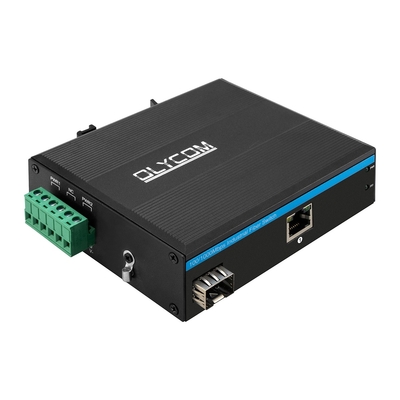
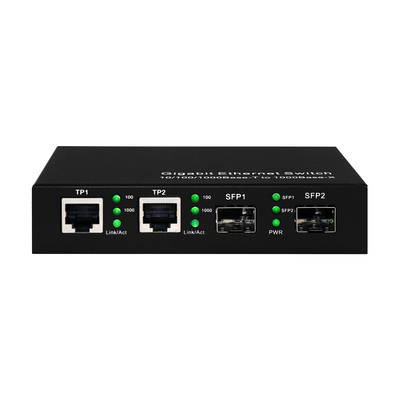
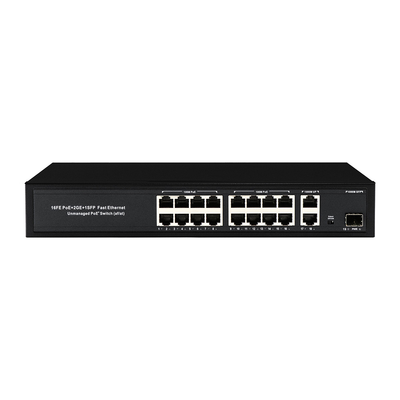
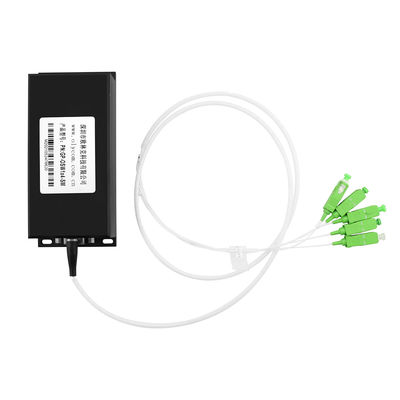
Why do many industrial switches, PoE switches, and fiber media converters still use IP30 or IP40 metal housings?
The answer is related to a fundamental principle of industrial design: environmental protection, thermal management, and system reliability must be considered together.
What Does IP30 Mean for Industrial Network Equipment?
The IP (Ingress Protection) rating defines how well a device enclosure protects against solid objects and water.
For an IP30 industrial network switch or PoE media converter:
This means IP30 equipment is not designed for direct exposure to rain, water spray, or heavy dust environments.
However, IP30 does not mean the product is unsuitable for outdoor applications.
In many industrial projects, the device is installed inside:
- Outdoor communication cabinets
- Highway roadside cabinets
- Railway control boxes
- Power distribution enclosures
- Industrial automation cabinets
In these applications, the cabinet provides the external environmental protection, while the industrial device focuses on reliable communication performance and efficient heat dissipation.
Why Are IP30 Industrial Devices Common in the Market?
A higher IP rating does not always mean better overall reliability.
For industrial Ethernet equipment, designers must balance multiple factors:
- Dust protection
- Heat dissipation
- Product lifetime
- Installation flexibility
- Cost efficiency
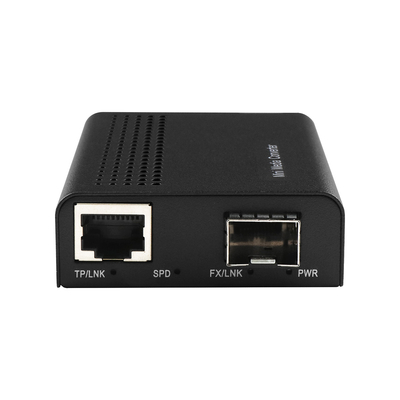
Many industrial Ethernet switches, PoE switches, and fiber converters adopt IP30/IP40 designs because they are intended for protected industrial environments rather than direct outdoor exposure.
A typical installation structure is:
Outdoor Environment
|
↓
IP55/IP65 Cabinet
|
↓
IP30 Industrial Switch / PoE Converter
|
↓
Network Devices
The combination of cabinet protection and industrial-grade hardware provides a reliable solution for many long-term deployments.
Q: Does IP30 Equipment Have a Dust Problem?
A: It depends on the actual installation environment.
Dust itself is not always the biggest threat to industrial electronic equipment. The risk mainly comes from specific types of contamination, such as:
- Conductive dust
- Chemical particles
- Metal particles
- Dust combined with moisture
In normal communication environments, such as:
- Highway CCTV cabinets
- Railway signal cabinets
- Telecom equipment rooms
- Electrical control cabinets
dust accumulation is usually very limited because:
- The cabinet remains closed during operation.
- Maintenance access is occasional.
- Cable entry points are sealed.
- Equipment is protected from direct wind and rain.
For these applications, an IP30 industrial enclosure is often sufficient.
Q: Why Not Make All Industrial Devices IP65?
A: Because thermal management becomes more challenging.
This is especially important for high-power PoE applications.
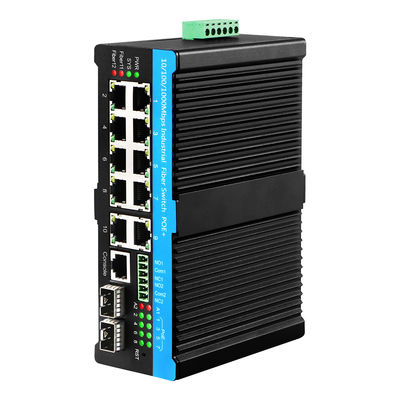
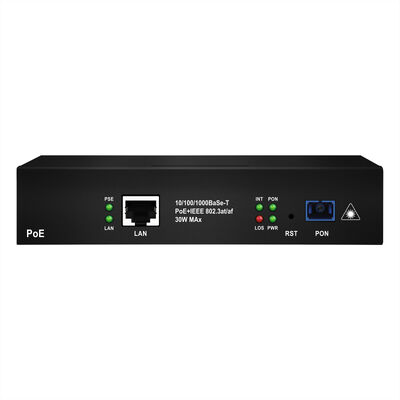
Modern industrial PoE equipment may support:
- IEEE 802.3af PoE
- IEEE 802.3at PoE+
- IEEE 802.3bt PoE++
- Up to 90W PoE power delivery
When a device delivers high power, internal components generate additional heat.
A fully sealed IP65 enclosure may reduce natural airflow and increase internal temperature. Over time, high temperature can accelerate:
- Capacitor aging
- Semiconductor degradation
- Power component stress
Therefore, many industrial PoE switches and converters use:
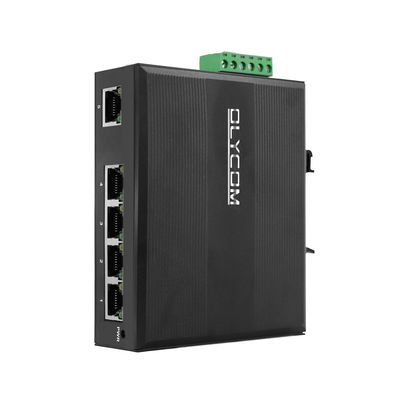
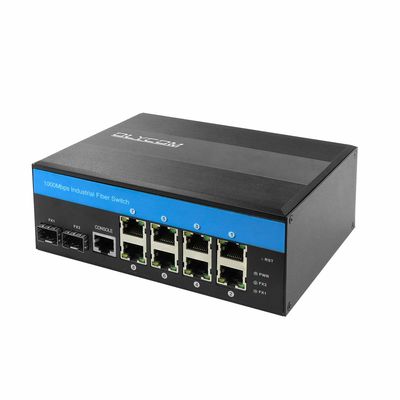
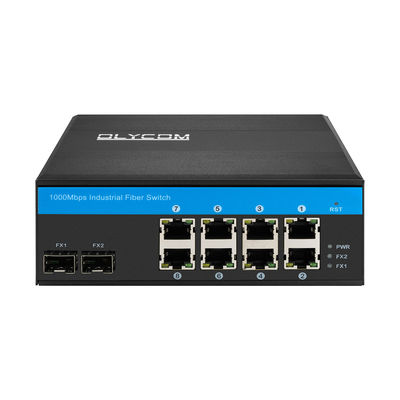
- Aluminum alloy housing
- Fanless design
- Natural convection cooling
- DIN-Rail mounting
- Wide temperature support
This design improves long-term reliability in industrial applications.
Outdoor Cabinet Applications: Why IP30 Can Still Be Reliable
Many outdoor network systems are not actually exposed directly to outdoor conditions.
For example, highway ITS and CCTV systems usually use:
- Weatherproof roadside cabinets
- Pole-mounted communication boxes
- Industrial enclosures
The network equipment inside the cabinet experiences a controlled environment.
The protection system becomes:
Outdoor environment → Cabinet protection → Industrial equipment protection
This layered protection approach is common in:
- Intelligent transportation systems (ITS)
- Highway monitoring networks
- Railway communication systems
- Smart city infrastructure
- Industrial fiber optic networks
What Factors Matter More Than IP Rating?
When evaluating industrial network reliability, the IP rating is only one part of the overall design.
1. Operating Temperature
Temperature is often one of the most important reliability factors.
Industrial equipment used in outdoor applications should consider:
- Wide operating temperature range
- Efficient heat dissipation
- Fanless operation
For example, equipment designed for -40°C to +75°C industrial operation is better suited for harsh environments.
2. Power Protection
Outdoor communication systems may face:
- Lightning surge
- Voltage fluctuation
- Electrical interference
Industrial Ethernet equipment should include appropriate protection features to improve system stability.
3. Humidity and Corrosion Resistance
In coastal areas or high-humidity environments, engineers should pay attention to:
- Salt mist exposure
- Metal corrosion
- PCB protection
- Cabinet sealing performance
For these environments, additional protection measures may be required.
4. Correct Installation Method
The same IP30 device can perform very differently depending on where it is installed.
Suitable applications:
- Industrial control cabinets
- Railway cabinets
- Highway communication boxes
- Power automation systems
- Factory networks
Less suitable applications:
- Open outdoor installation
- Heavy dust production areas
- Mining environments
- Chemical processing areas
The Future of Industrial Ethernet Design: Balanced Protection
As industrial networks continue to expand, applications such as PoE surveillance, smart transportation, industrial IoT, and fiber optic communication require devices that can operate reliably for many years.
The trend is not simply moving toward higher IP ratings. Instead, manufacturers are focusing on optimized industrial designs that combine:
- Proper enclosure protection
- Efficient thermal management
- High-quality components
- Industrial-grade reliability
- Application-specific engineering
For many industrial Ethernet applications, IP30 and IP40 devices remain a practical and widely adopted solution because they provide the right balance between protection, performance, and reliability.
The key question is not: Is IP65 always better than IP30?
The better question is: Is the equipment designed for the environment where it will actually operate?
For protected outdoor cabinets, transportation networks, and industrial communication systems, a well-designed IP30 industrial device can deliver stable and reliable performance over a long service life.


 Your message must be between 20-3,000 characters!